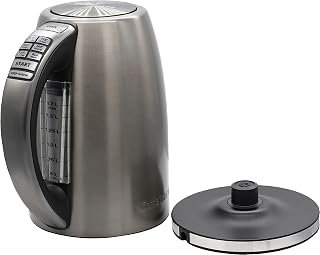
An electric kettle is one of the fastest and most energy-efficient ways to boil water. Whether you use it for tea, coffee, instant noodles, or cooking, understanding what separates a basic model from a well-designed one helps you make a better choice.
How Electric Kettles Work
An electric kettle uses a heating element at the base to heat water quickly. When water reaches boiling point, a thermostat trips a switch that cuts power. Variable temperature models use electronic controls to stop heating at a specified temperature before boiling is reached.
Types of Electric Kettles
Standard Kettles
Heat water to boiling (100°C) and shut off automatically. Simple, fast, and affordable. Suitable for most everyday uses including tea, coffee, and cooking.
Variable Temperature Kettles
Allow you to select specific temperatures — typically ranging from around 60°C to 100°C. Essential for specialty teas (green tea brews best around 75-80°C; white tea around 70°C) and pour-over coffee. More expensive but significantly more versatile for beverage enthusiasts.
Gooseneck Kettles
Feature a long, narrow, curved spout that provides precise control over pour rate and direction. Widely used for pour-over coffee methods where flow control directly affects extraction quality. Available in both standard and variable temperature versions.
Key Features to Consider
Material
Stainless steel interiors are the most common and easiest to keep clean. Glass kettles allow you to see water levels visually, though some develop mineral deposits more visibly. Look for BPA-free materials and food-safe interiors.
Capacity
Most home kettles range from 1 to 1.7 liters. For a single user, a 1-1.2L model is usually sufficient. For families, a 1.5-1.7L capacity reduces refilling frequency.
Speed
Heating speed depends on wattage. US models typically run at 1200-1500W. European models often run at 2200-3000W due to higher voltage. This is a function of local electrical standards rather than product quality.
Keep-Warm
Some models maintain a set temperature for 20-30 minutes after reaching it. Useful if you prepare multiple cups in a session or are slow to pour.
Spout and Pour Control
For general use, a standard wide spout is fine. For pour-over coffee or specialty tea, a gooseneck spout transforms how precisely you can deliver water.
Descaling and Maintenance
Mineral deposits accumulate over time, especially in hard water areas. Most kettles can be descaled by boiling water with white vinegar or citric acid. Check the instructions. Rinse thoroughly after descaling. Regular descaling extends the life of the kettle and maintains heating efficiency.
What to Consider Before Buying
For everyday boiling, a 1.5L stainless steel kettle with a good lid and comfortable handle is all you need. If you make specialty tea or pour-over coffee, a variable temperature gooseneck kettle significantly improves the process. Look for a concealed heating element, a removable limescale filter, and a handle that stays cool during use.
Summary
An electric kettle is a simple appliance that benefits from careful attention to material, spout design, and temperature control depending on your intended use. A basic model works well for most households; variable temperature and gooseneck designs serve specialty beverage preparation more precisely.
You can check more details and current options on Amazon here.