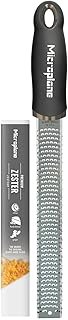
A box grater is a versatile four-sided grater that handles multiple grating and shredding tasks with a single tool. It is standard equipment in most kitchens and earns its place through the sheer variety of tasks it handles well.
What a Box Grater Does
A box grater typically features four different grating surfaces:
- Large holes (coarse grate): For shredding cheese (cheddar, mozzarella, gruyere), zucchini, carrots, and potatoes for hash browns.
- Medium holes: A middle ground useful for softer cheeses and fine vegetable shreds.
- Small holes (fine grate): For hard cheeses like Parmesan, chocolate, citrus zest, nutmeg, and ginger.
- Slicing blade: Thin parallel slits that produce thin slices of cucumbers or firm vegetables.
Materials
Stainless Steel
Stainless steel is the standard material. It does not rust, does not retain flavors or odors, and is durable for long-term use. The quality of the steel and the precision of the hole-stamping process determine how sharp the grater is and how well it retains sharpness. Premium stainless (like Microplane products) uses sharper-etched holes that cut rather than tear.
Plastic-Framed with Stainless Panels
Some box graters use a plastic frame with stainless steel grating inserts. This makes the grater lighter. Durability of the plastic frame varies — cheaper models crack over time.
Sharpness
The sharpness of the grating surface determines how efficiently the grater works. Finely etched stainless steel produces razor-sharp cutting edges that generate clean shreds with minimal tearing. Cheaper stamped-steel graters have blunter edges that mash as much as they shred, producing a wetter result. If you grate cheese frequently, sharpness is the single most important factor.
Size and Stability
Box graters range from compact models (7-8 inches tall) to full-size versions (10-12 inches). A larger grating surface means fewer passes per cup of shredded food. A non-slip base prevents the grater from sliding across the cutting board.
Container Base
Some box graters come with a catch tray or container that attaches to the base to catch grated food. This is useful for grating directly over a bowl or plate. The container usually includes measurement markings.
Cleaning
Cleaning a box grater is the main practical challenge. A stiff brush or toothbrush works well. Most stainless steel graters are dishwasher safe. Always clean in the direction opposite to the grating direction to push food through the holes rather than pulling it against the sharp edges.
What to Look For
For a household box grater, choose a stainless steel model with sharp grating surfaces, a non-slip base, and a size large enough to accommodate regular cheese grating. Microplane and OXO make consistently well-regarded box graters that balance sharpness, stability, and ease of use.
Summary
A box grater is a kitchen workhorse that handles shredding, grating, and slicing across dozens of ingredients. Sharpness, stability, and size are the most important factors. A well-constructed stainless steel model is a long-term investment that performs reliably across years of regular use.
You can check more details and current options on Amazon here.