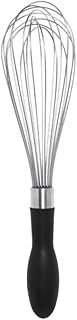
A whisk is one of the most versatile hand tools in the kitchen. Different whisk shapes are optimized for different tasks, and choosing the right type makes a meaningful difference in how efficiently you work.
Types of Whisks
Balloon Whisk
The balloon whisk is the most common and versatile type. Its large, rounded shape incorporates maximum air into batters, egg whites, and cream. A balloon whisk is the right choice for: whipping cream and egg whites; making vinaigrettes; mixing pancake and waffle batter; whisking eggs; making custards.
French Whisk (Sauce Whisk)
Narrower and more elongated than a balloon whisk, the French whisk is designed to reach the corners and base of a saucepan. Ideal for making roux-based sauces, bechamel, and gravies where you need to whisk constantly in a straight-sided pan.
Flat Whisk (Roux Whisk)
A flat whisk has wires arranged in a flat plane. It is designed specifically for whisking in flat pans (like a saute pan) and for making roux and pan sauces where maximum contact with the flat base of the pan is needed.
Ball Whisk
A ball whisk has individual wires each tipped with a small ball. It whisks efficiently and is easy to clean. Works well for thin mixtures and vinaigrettes but is less effective than a balloon whisk for incorporating air.
Key Dimensions
Whisks are typically measured by total length, ranging from 8 to 14 inches. An 11-inch whisk is a versatile general-purpose size — long enough to work in a large bowl without splashing, but not so long it is unwieldy in a saucepan.
Wire Count and Thickness
More wires mean more contact points and better aeration. Eight to twelve wires is standard for a good balloon whisk. Very thin wires flex more and incorporate air more efficiently but are more fragile. Thicker wires are more durable for heavy batters but less effective at aeration.
Handle Design
The handle should be comfortable for extended use. Silicone or rubber grips are more comfortable than bare metal. The handle should be balanced — too heavy a handle makes the whisk tiring to use.
Material
Stainless steel wires are the standard — rust-resistant, strong, and easy to clean. For nonstick-coated pans, look for silicone-coated wire tips to avoid scratching the surface.
Cleaning
The interior of a balloon whisk is the hardest part to clean. Most stainless whisks are dishwasher safe. Hand washing with a small brush inside the wire cage is effective for stubborn residue.
What to Look For
For most home kitchens, a good 11-inch balloon whisk in stainless steel handles 90% of whisking tasks. The OXO Good Grips balloon whisk is frequently praised for its wire count, balance, and handle comfort. A separate French whisk adds value if you frequently make pan sauces or gravies.
Summary
Different whisk shapes serve different functions. A balloon whisk is the most versatile starting point; a French or flat whisk adds precision for sauce work. Choosing the right type for each task makes whisking faster and more effective.
You can check more details and current options on Amazon here.